Skip to content

Table of Contents
Healthy, glowing skin is not just about using the right cleanser or serum. Many people who invest time and money into skincare still feel frustrated when dullness, uneven tone, or early signs of aging do not improve. This often leads to a deeper question: what actually changes the skin at a biological level?
That is where chemical peels come into the conversation. Rather than offering a temporary surface fix, chemical peels work with the skin’s natural renewal process to encourage lasting improvement. Understanding the science behind chemical peels can help you decide whether this skin resurfacing treatment aligns with your goals, comfort level, and expectations.
At Gizel Atlanta, chemical peels are offered as part of a thoughtful, skin-focused approach to aesthetic care. For those researching chemical peels in Atlanta, GA, knowing how these treatments function beneath the surface can bring clarity and confidence before scheduling a consultation.
Understanding the Science Behind How Chemical Peels Work
Chemical peels rely on a principle that is central to skin biology: controlled exfoliation triggers renewal. The skin is constantly regenerating itself. New cells form in the deeper layers of the skin and gradually move upward, replacing older, damaged cells on the surface. As we age or experience sun exposure, acne, or inflammation, this renewal cycle slows down. Dead cells linger longer, leading to dullness, uneven texture, and visible signs of aging.
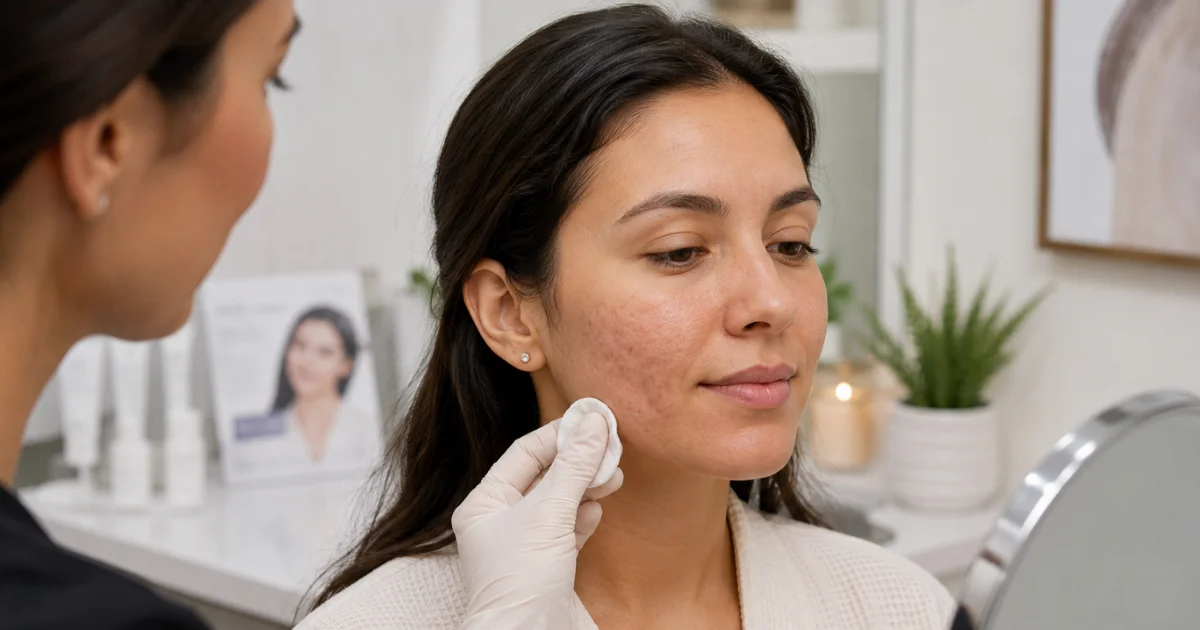
A chemical peel applies a carefully formulated solution to the skin to speed up this process. These solutions contain specific acids or active ingredients that loosen the bonds holding dead skin cells together. Once those bonds weaken, the outer layer sheds more efficiently, making room for healthier cells underneath. This process is not random or harsh when performed correctly. Medical-grade chemical peels are designed to work at specific depths of the skin, depending on the formulation used and the individual’s skin type. That precision is what separates professional peels from over-the-counter exfoliating products.
How Chemical Peels Work at Different Skin Levels
To fully understand how chemical peels work, it helps to look at the skin in layers. Each layer plays a role in how the peel functions and what results you can expect. The outermost layer, called the epidermis, is where most superficial peels focus. This layer contains dead skin cells, pigment, and the first visible signs of sun damage. When a peel targets this area, the goal is to refine texture, brighten tone, and improve overall clarity.
Deeper peels reach into the upper dermis, where collagen and elastin reside. Collagen provides structure, while elastin allows the skin to stretch and bounce back. By stimulating these components, chemical peels can support smoother skin and reduce the appearance of fine lines and scars over time. This layered approach is why chemical peels are often described as customizable skin resurfacing treatments. The depth and strength of the peel are chosen based on your skin concerns, lifestyle, and tolerance for downtime.
The Role of Cell Turnover and Collagen Renewal
One of the most critical scientific benefits of chemical peels is their effect on cell turnover. Younger skin naturally replaces itself every four to six weeks. As the years pass, this cycle can slow significantly. When old cells build up, skin looks tired and uneven.
Chemical peels encourage the skin to restart a more efficient renewal rhythm. By prompting controlled exfoliation, they signal the body to produce fresh skin cells more quickly. This process also supports collagen production, which is why chemical peels are often associated with long-term improvements rather than instant but temporary results. A collagen-boosting chemical peel does not add collagen directly. Instead, it stimulates the skin’s own repair response. This makes the results appear more natural and gradual, aligning well with people who want visible improvement without drastic changes.
Why Medical-Grade Chemical Peels Are Different
Many people assume chemical peels are simply stronger versions of scrubs or at-home exfoliating masks. In reality, medical-grade peels are formulated with a level of precision that consumer products cannot match.
Professional chemical peels use stabilized acids, peptides, antioxidants, and cell-renewing ingredients that are designed to safely penetrate deeper layers of the skin. These formulations are selected based on factors such as skin tone, sensitivity, and treatment goals. At Gizel Atlanta, chemical peels are customized rather than one-size-fits-all. This approach reduces the risk of irritation while maximizing the benefits of chemical peels, especially for concerns like pigmentation, acne, and uneven texture.
Benefits of the Science Behind How Chemical Peels Work
Understanding the science makes it easier to appreciate the practical and emotional benefits of chemical peels. These benefits extend beyond appearance alone.
Some of the most notable benefits include:
- Improved skin tone and clarity through accelerated cell turnover
- Smoother texture by reducing the buildup of damaged surface cells
- Support for collagen renewal, leading to firmer-looking skin over time
- Reduced the appearance of acne scars, dark spots, and sun damage
- Brighter, more refreshed skin with minimal disruption to daily routines
For many people, a chemical peel for glowing skin also supports confidence. When skin looks healthier and more balanced, makeup application becomes easier, and skincare products absorb more effectively.
Your Next Step Toward Healthier Skin
If learning about the science behind how chemical peels work has sparked your interest, the next step is a personalized conversation. A professional consultation helps determine which peel type aligns with your skin type, concerns, and lifestyle.
At Gizel Atlanta, chemical peels are approached with care, education, and customization in mind. For those exploring chemical peels in Atlanta, GA, scheduling a consultation can provide clarity without pressure.
If you are ready to explore your options, schedule a consultation to see which peel is right for you. This simple step allows you to ask questions, understand your skin better, and decide on a treatment plan that feels right for you. Healthy skin is not about chasing trends. It is about understanding how your skin works and choosing treatments that support it over time.